
The Beautiful Mess
Why Emotion Is the New Brief
There is a quiet rebellion happening in design.
Not a loud one. Not a manifesto. Just a growing refusal. A refusal to be clean when clean feels cold. A refusal to be perfect when perfect feels machine-made. A growing, creeping, entirely necessary move toward something that looks a bit like chaos but feels a lot like truth.
Call it naive design. Call it new punk. Call it post-AI expressionism. Whatever the label, the direction is clear: design is getting emotional again. And about time.
The Trends Driving It
Three aesthetics are leading the charge right now, and they share a common thread: they all look like a person made them.
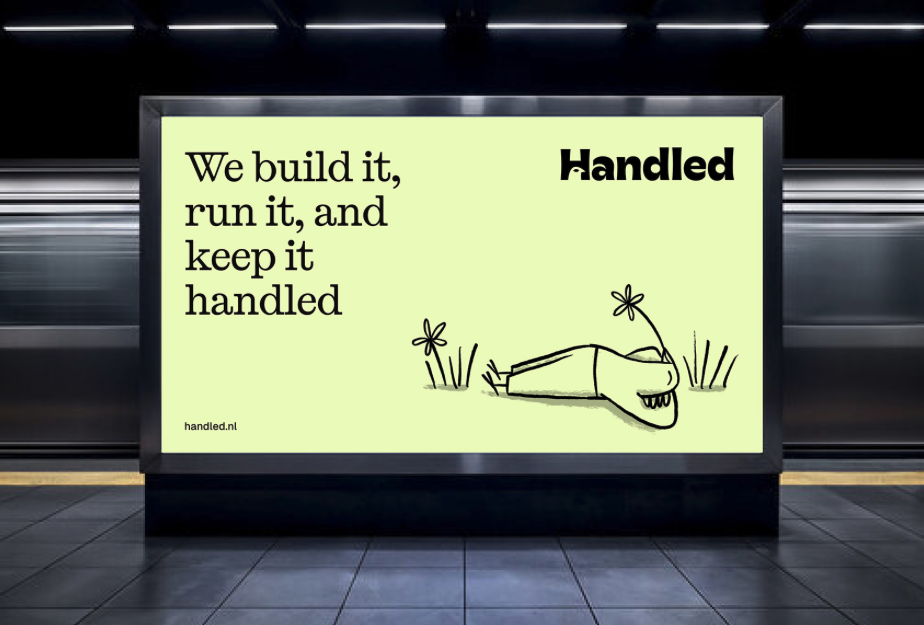
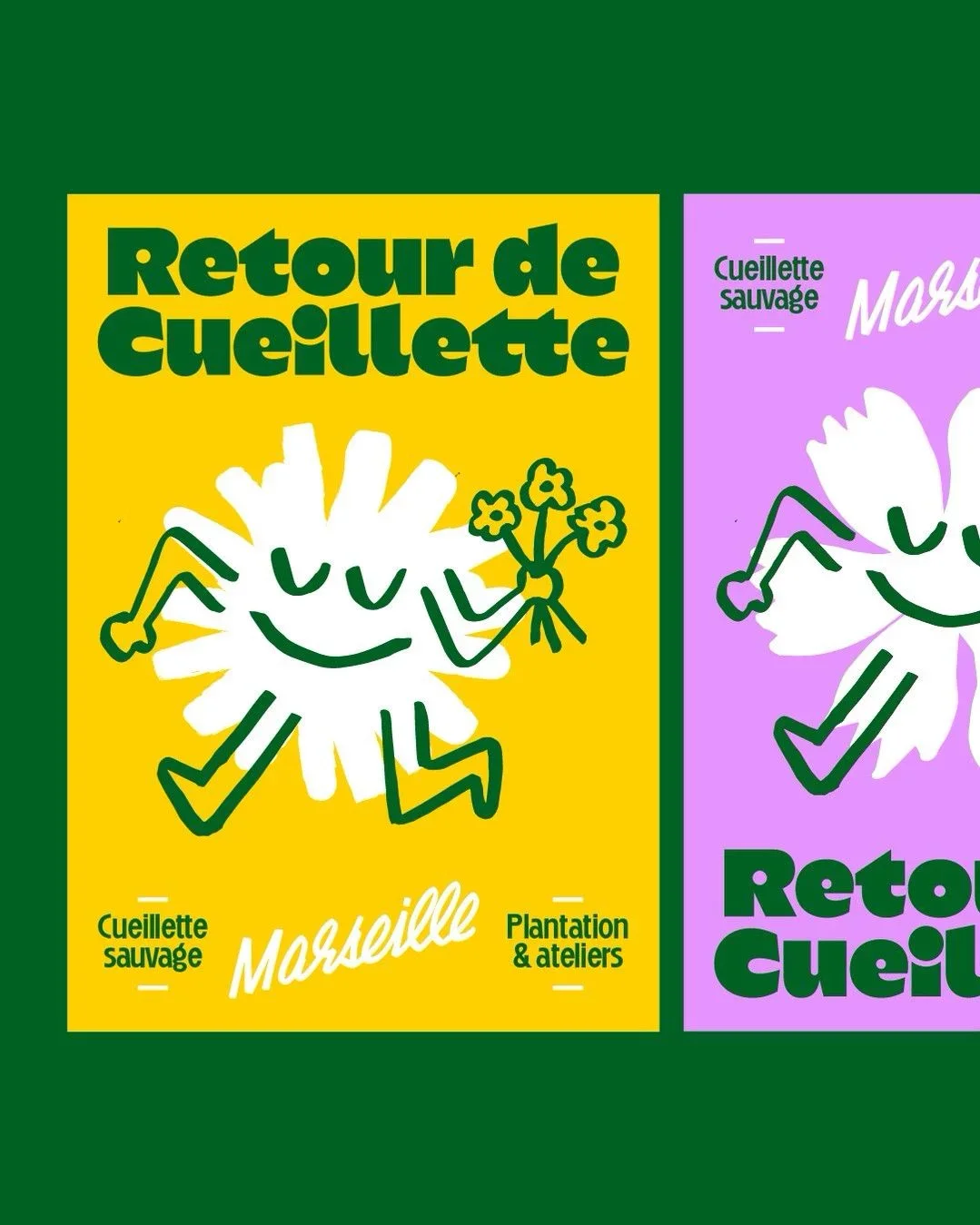
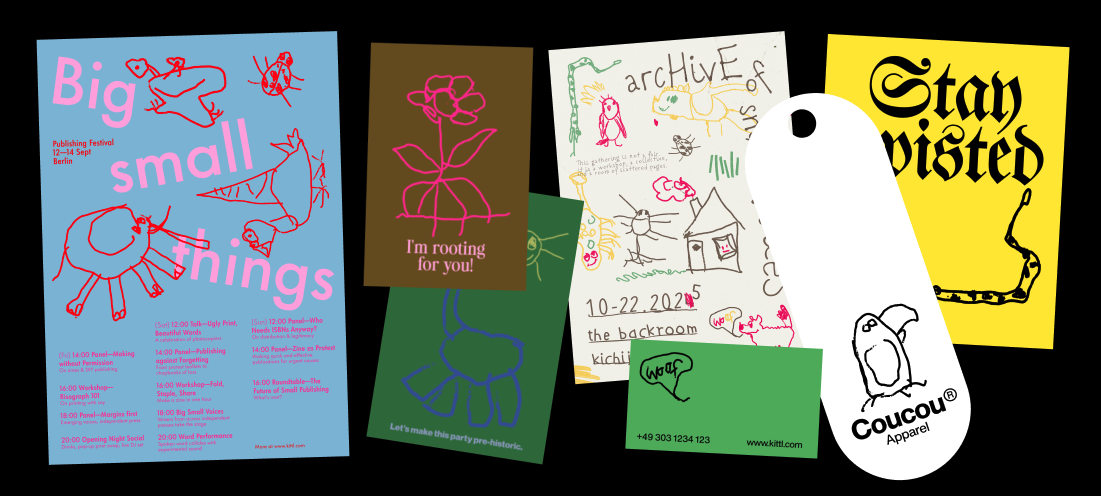
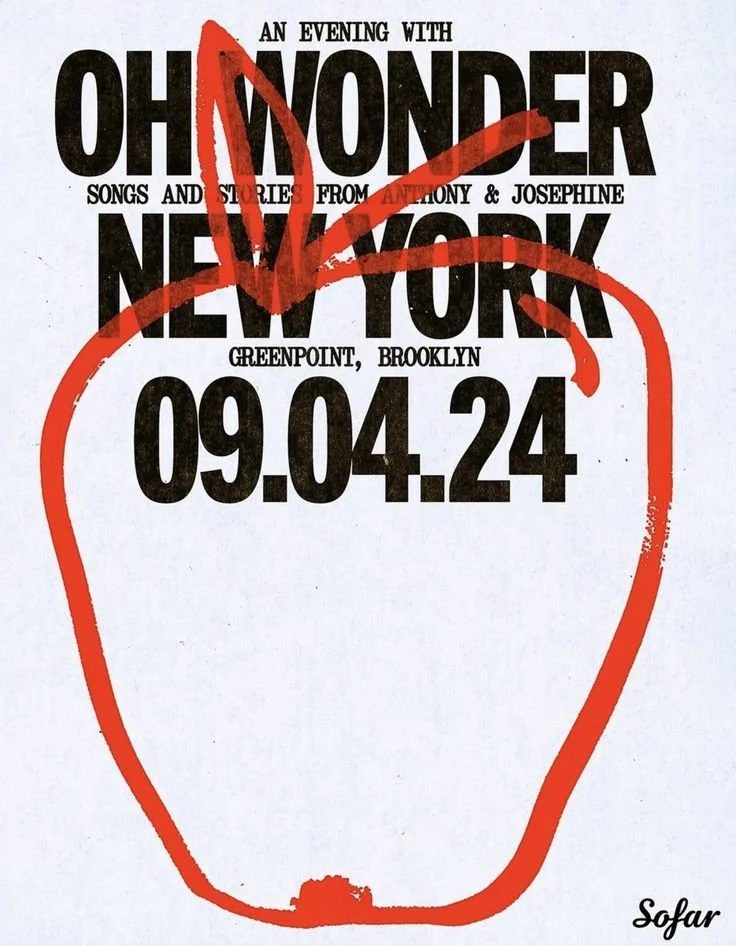
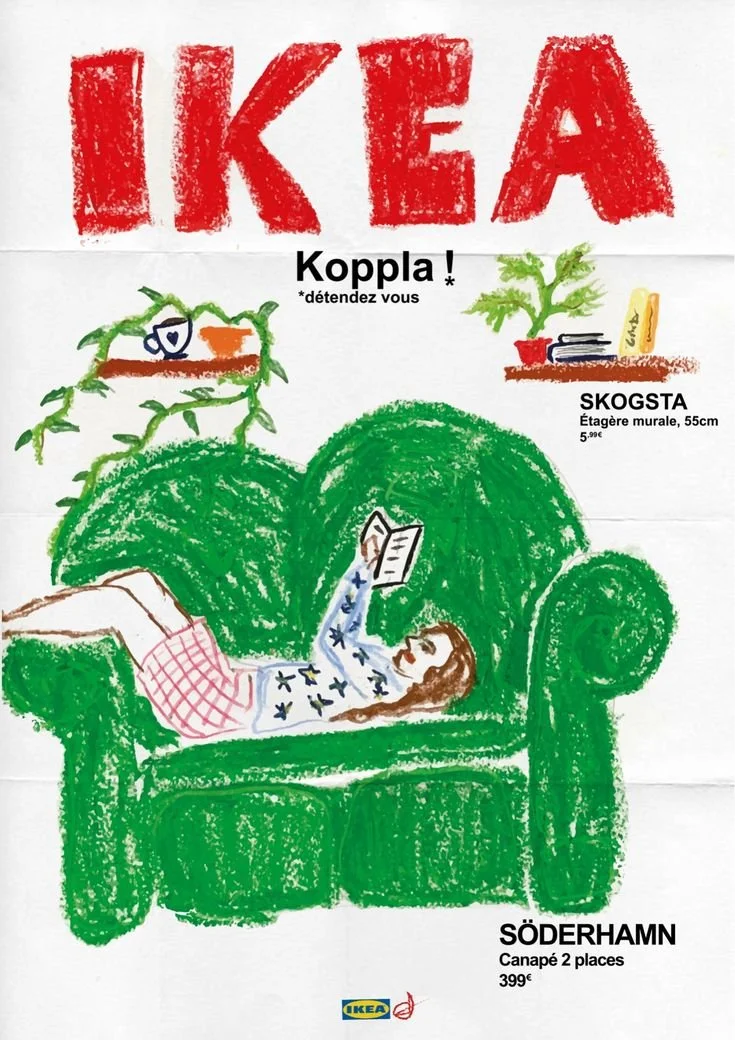
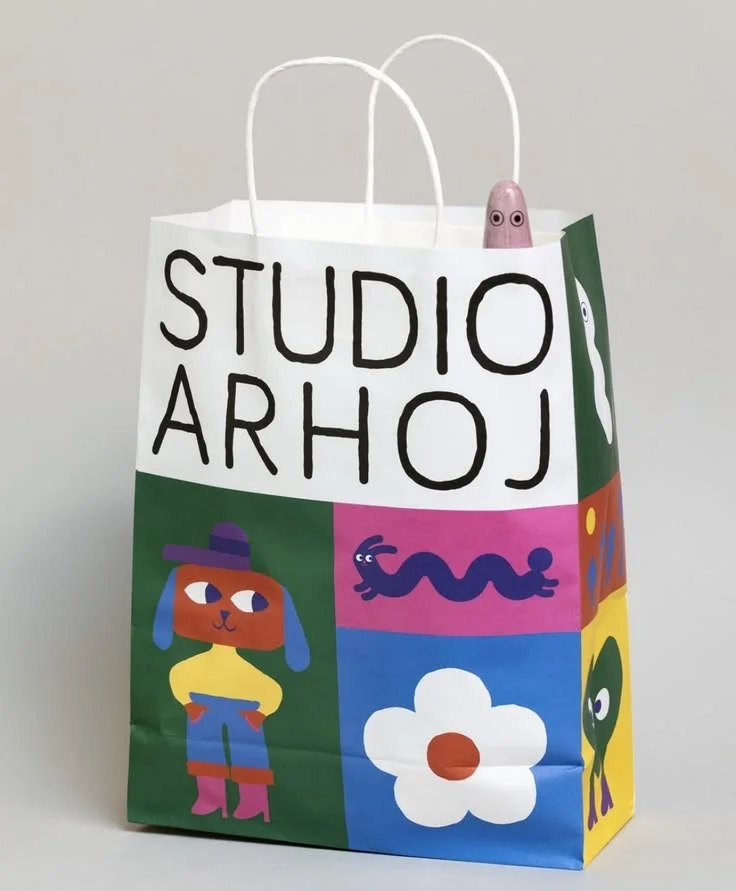
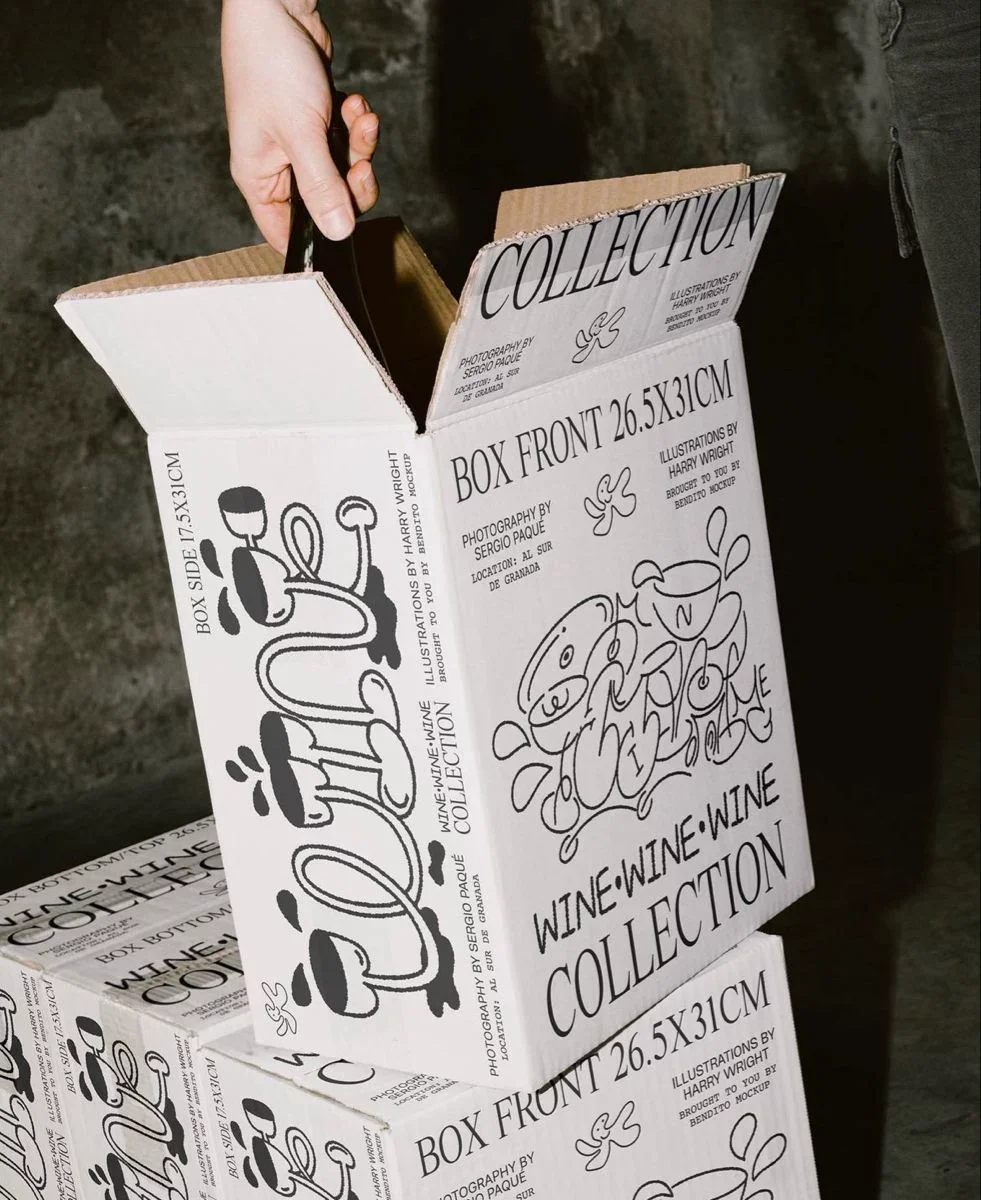
Naive design strips back technical polish to expose something more honest. Wobbly lines, hand-drawn type, illustrations that belong in a sketchbook rather than a brand manual. The imperfection is the point. It signals authorship. It says: I was here.
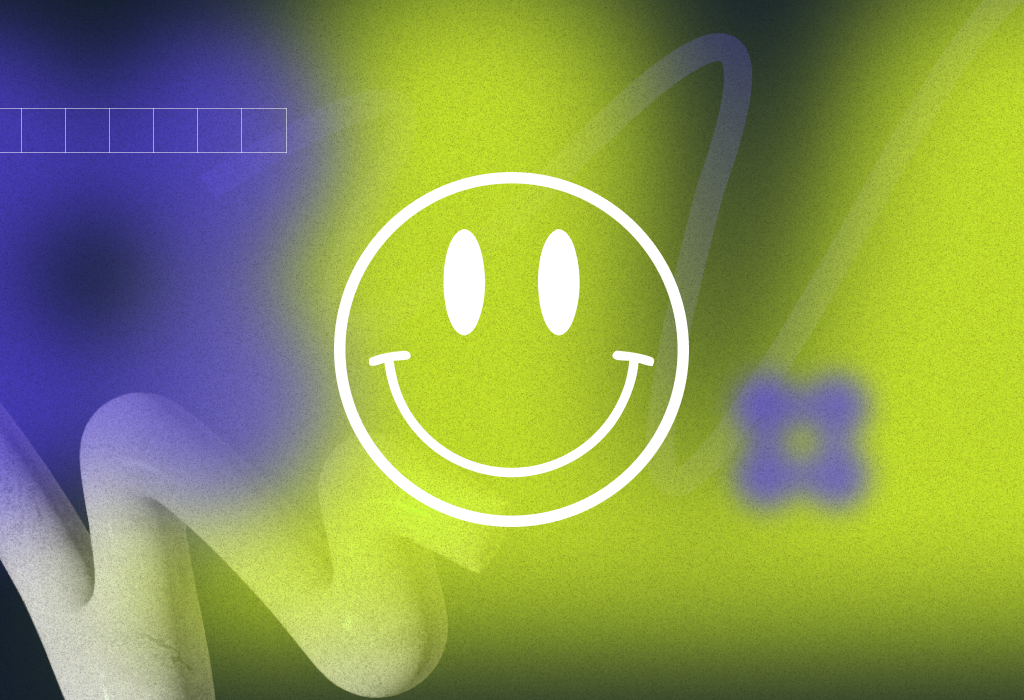
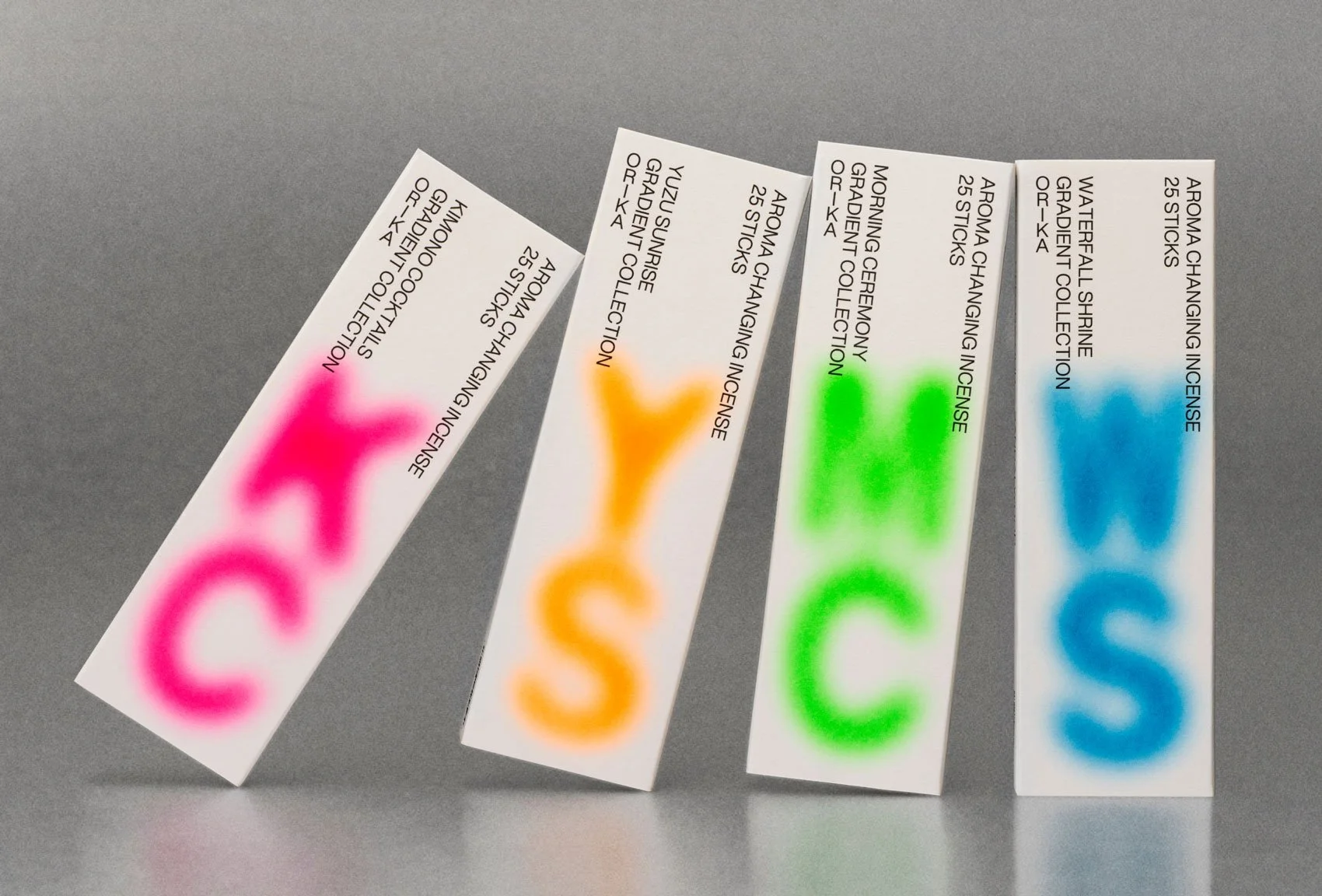
Gradient blur and mesh gradients replace hard structure with atmosphere. Warm, immersive, moody. These visuals don't communicate information so much as they create a feeling. A sense of place. A mood that lingers.
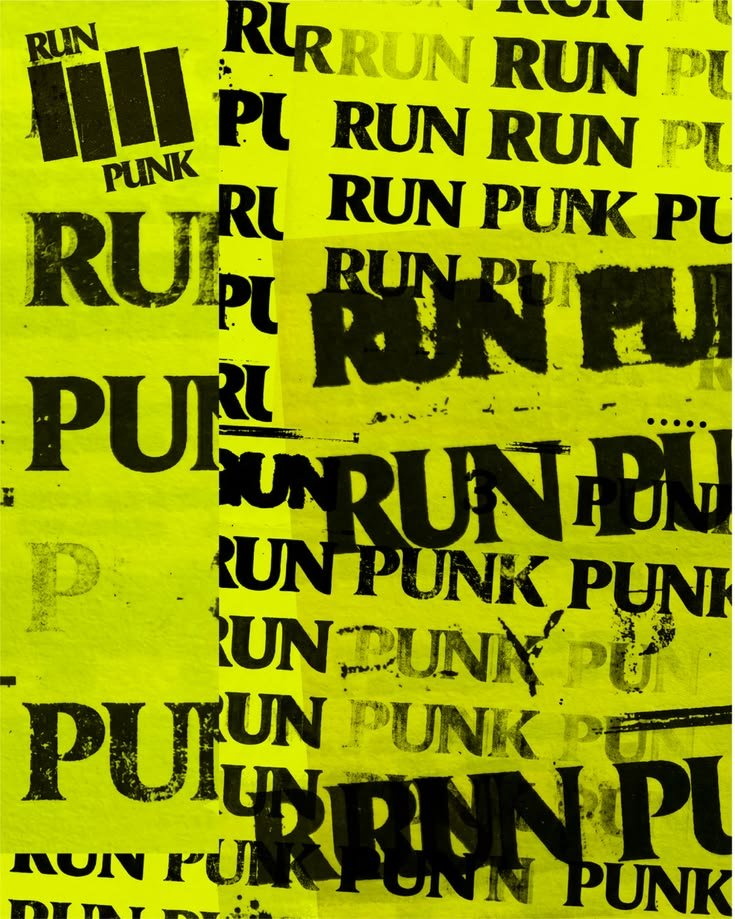
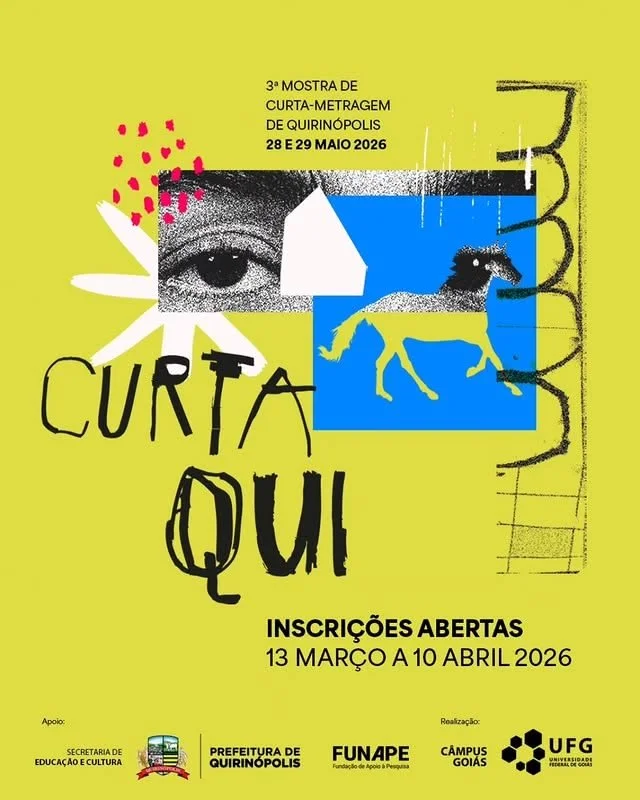
Punk and grunge are back, and they mean business. Torn textures, photocopied grain, overlapping type, deliberate noise. This is design that borrows from protest culture and refuses to ask for permission.
What unites all three is that they carry traces of human intent. They feel authored, not generated.
The Brief Has Changed
The old brief was: make it look good. AI can do that now, faster than any of us.
The new brief is harder and more interesting: make it feel something. Design that earns a place in memory, not just a scroll. The brands that win next won't be the most polished. They'll be the most human.
In a world where machines generate the beautiful, imperfection might be the most radical creative choice of all.
