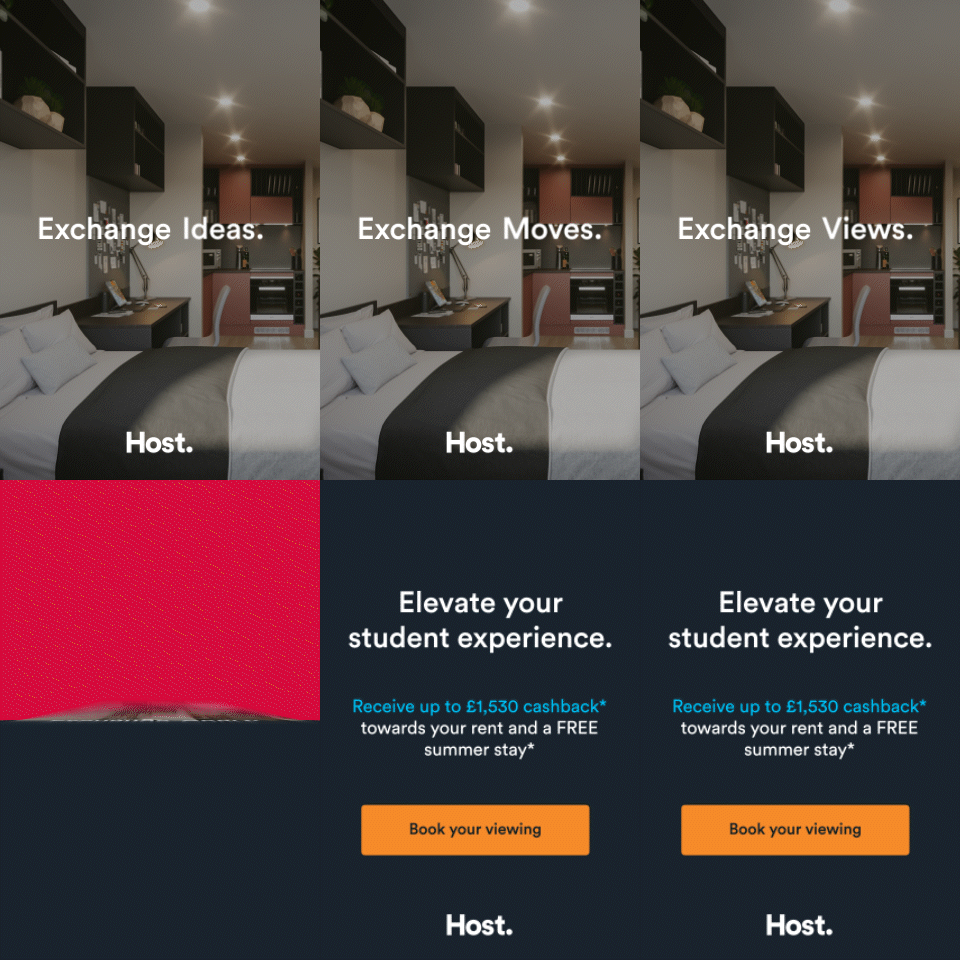
The Opportunity
Host Student had rooms to fill in 14 cities, from Exeter to Leeds, for the 2026/27 academic year. The audience was small and specific: students choosing where to live, and the parents helping them decide.
The brief was simple to say and hard to do. Get in front of those people everywhere Host operates, keep getting in front of them, and don't pay to reach anyone else.
Project
National Display Campaign
Client
Host Student
Expertise
Strategy
Data & Audience Planning
Media Planning
Activation
Programmatic Display
Dynamic Creative
Performance Reporting
Find the students
~
Stay in front of them
~
Find the students ~ Stay in front of them ~
Our Approach
We bought people, not places. Programmatic display lets us bid on a specific user rather than a specific website, so every advert we ran was shown to someone we had a data signal for, wherever they happened to be browsing.
We'd already proven it worked. A geofenced pilot for their Exchange Court building in Leeds in the year before earned the next step, and Host rolled the approach out across its national portfolio with a dedicated campaign for each building.
Fifteen local campaigns, each built around its own city, its own campuses and its own audience. Run as one national campaign, at one consistent CPM.
Reach was only half the job. Choosing a room is a big decision, and nobody makes it after one web banner. We managed frequency so the same people saw Host again and again while they weighed up their options. In April 2026, the people we reached saw a Host advert between 1.7 and 3.2 times on average, depending on the building.
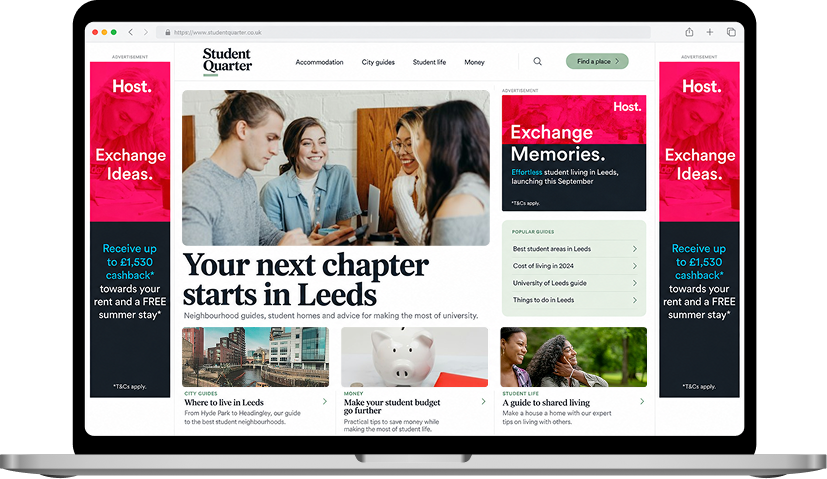
The Data
Geofencing was the starting point, not the whole story. We drew tight boundaries of around 1km around campuses and student hotspots in every city, so we only bid on devices that had actually been there. Then we went one step further and layered on every signal that said "student, looking for a room"
The sharpest audience sat where those signals overlapped. Prioritising people who met at least two of them kept spend focused, and kept frequency high on the people most likely to book.
It also told us who was listening. Audience reporting showed the classic student profile: film, fitness, sport and gaming. It also showed business decision makers indexing strongly where parents and guardians were researching on their child's behalf. One campaign, reaching both sides of the decision.
Location
Devices seen on or around target campuses
Demographics
18 to 24 year olds
Search intent
People actively researching student accommodation and their chosen universities
App usage
The student discount, budgeting and gaming apps this audience lives in
Third-party data
Verified audiences currently in educations
Category behaviour
People already browsing accommodation portals and other providers
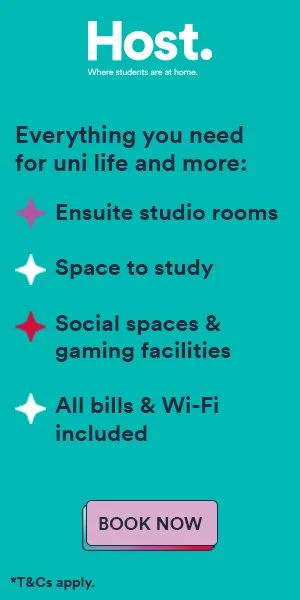
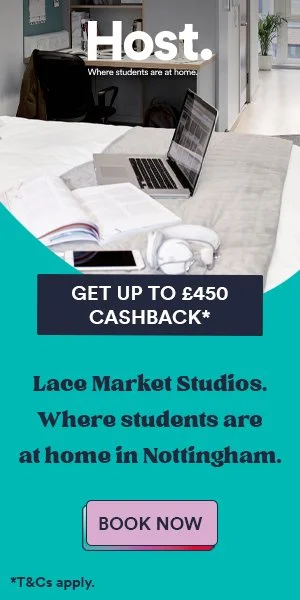
What We Delivered
Audience strategy and data planning across 16 buildings in 14 cities
Campus geofences for every location, layered with demographic, intent, app and third-party data
A dedicated programmatic display campaign for every building, bought at one consistent CPM
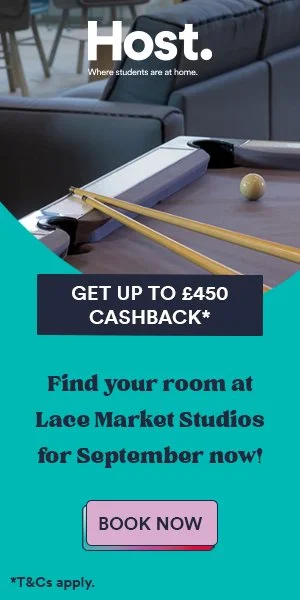
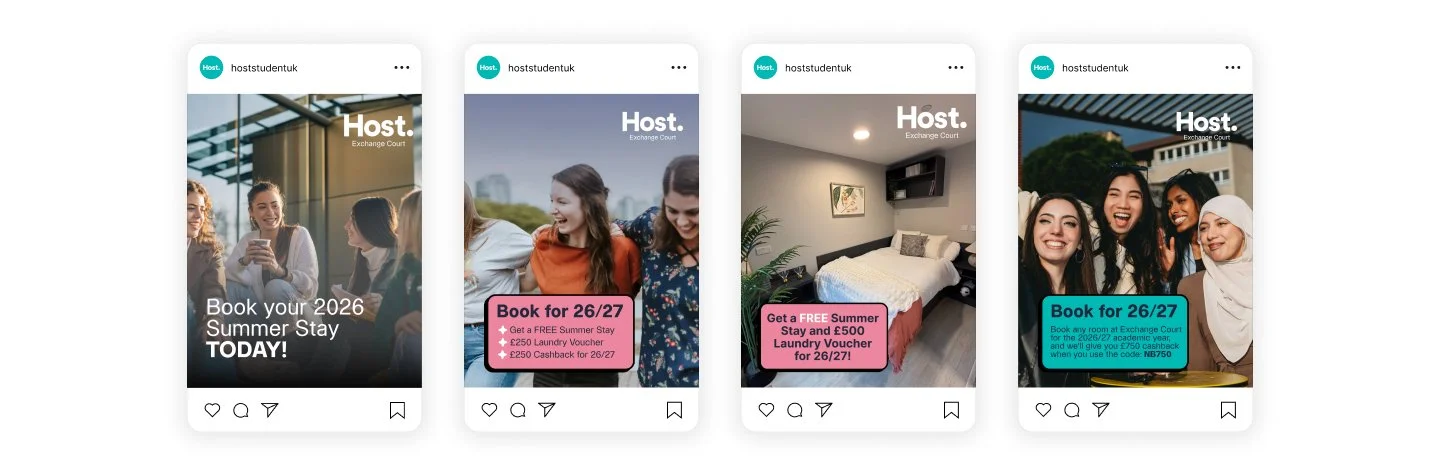
Dynamic ads fed by a live document, so offers and pricing could change on the fly with no new creative needed
Ongoing optimisation, weekly performance updates and monthly reporting
Audience insight that surfaced parents as a second, high-value audience
Across the portfolio, the campaign delivered over 11.1 million impressions for the Host brand. Every one of the 16 campaigns hit or beat its booked delivery, and The Northfield in Exeter alone served more than 1.4 million impressions.
Host Student, in front of the right students and their parents, time and again, in every city it operates.