
Learning to Fly a Drone
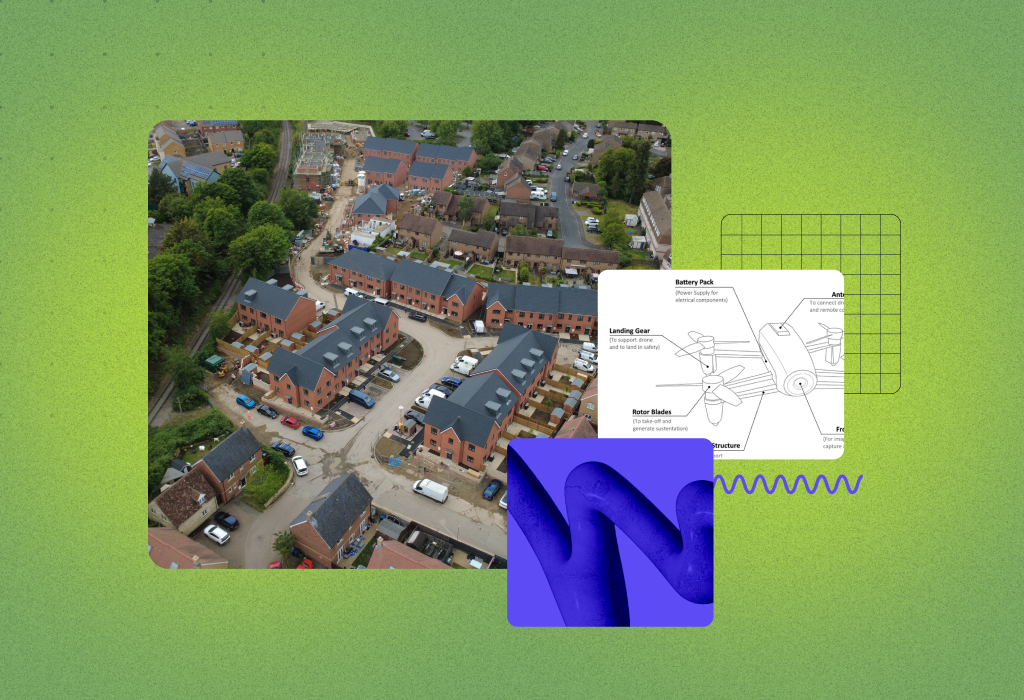
The first time I lifted a drone off the ground, I was convinced I was about to crash a very expensive piece of kit. What followed was one of the most unexpectedly rewarding experiences I've had as a Content Creator.
Recently, I had the opportunity to learn how to fly a drone as part of my role. While it wasn't a skill I expected to add to my toolkit, it quickly became one of the most rewarding learning experiences I've had. What started as a way to expand our service offering became a lesson in confidence, creativity, and professional growth.
Why we brought Drone shooting in-house:
Drone content has become increasingly popular because it offers a unique perspective that traditional photography and videography simply can't achieve.
By investing in drone capabilities, we can offer clients an additional creative service while creating more opportunities to enhance the content we produce. Rather than outsourcing aerial footage, we can now bring that expertise in-house and integrate it seamlessly into our projects.
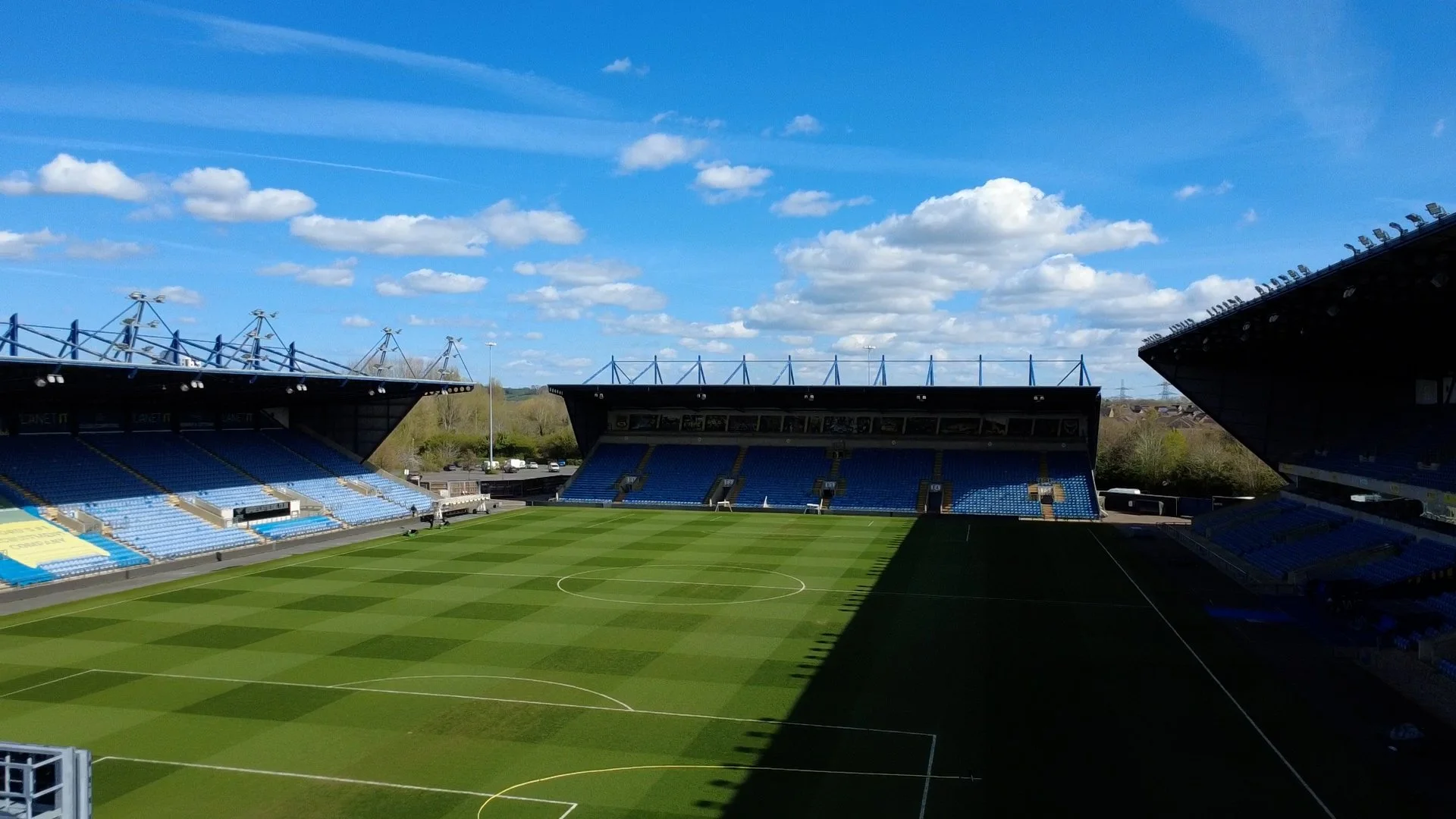
The real challenge, trusting yourself to fly:
Before flying a drone, I assumed the biggest challenge would be learning the controls. While there was certainly a lot to learn, I quickly realised that confidence was the real obstacle.
You're responsible for an expensive piece of kit, you're aware of everything around you, and every small movement feels like it matters.
As I became more familiar with the drone's behaviour and capabilities, my confidence started to grow.
Seeing drone footage after a shoot is incredibly satisfying and reminds me that confidence often comes through experience.
Drone footage changes how we tell stories:
One of the most interesting things I've discovered is how drone footage changes the way you think about storytelling.
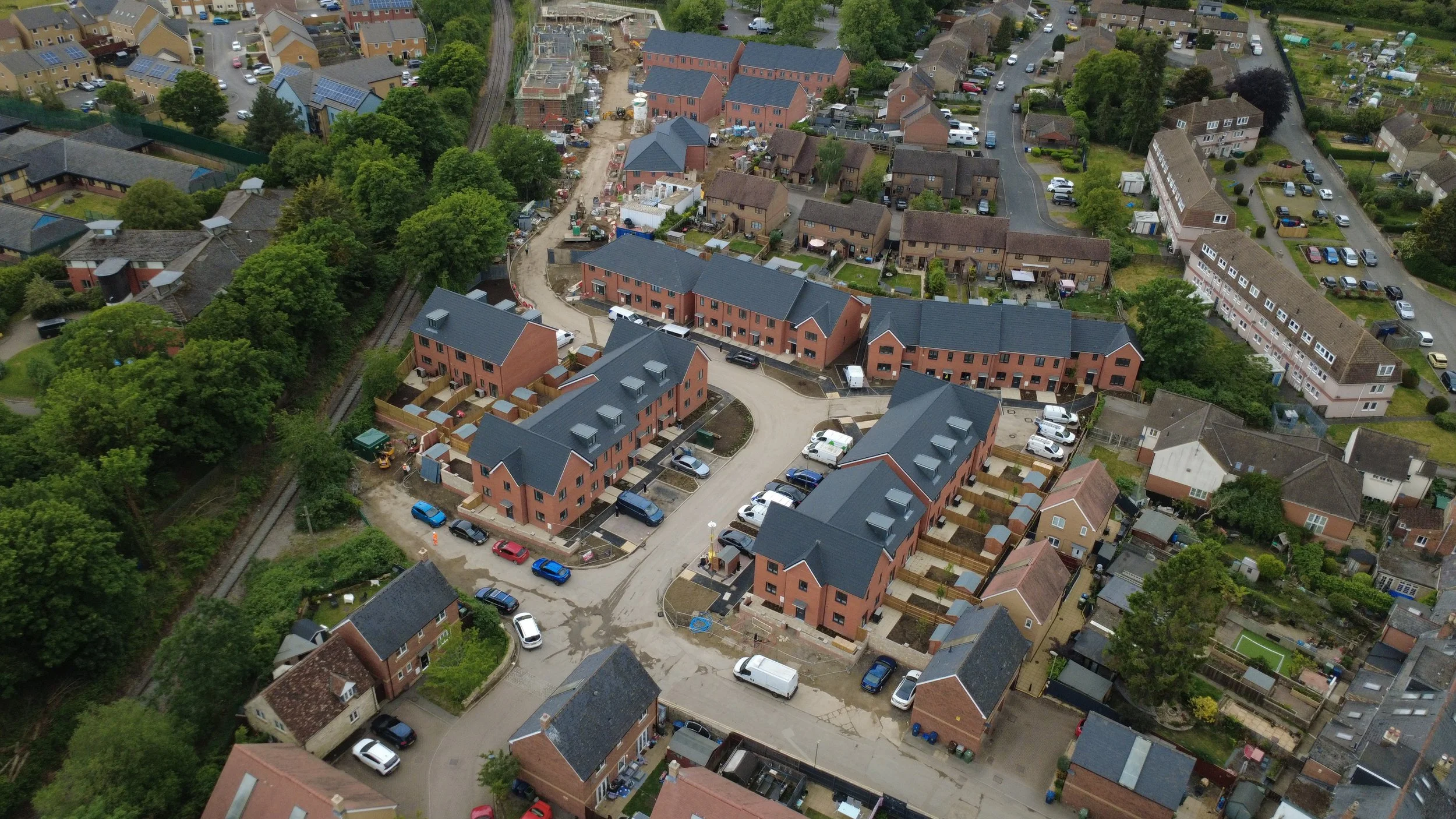
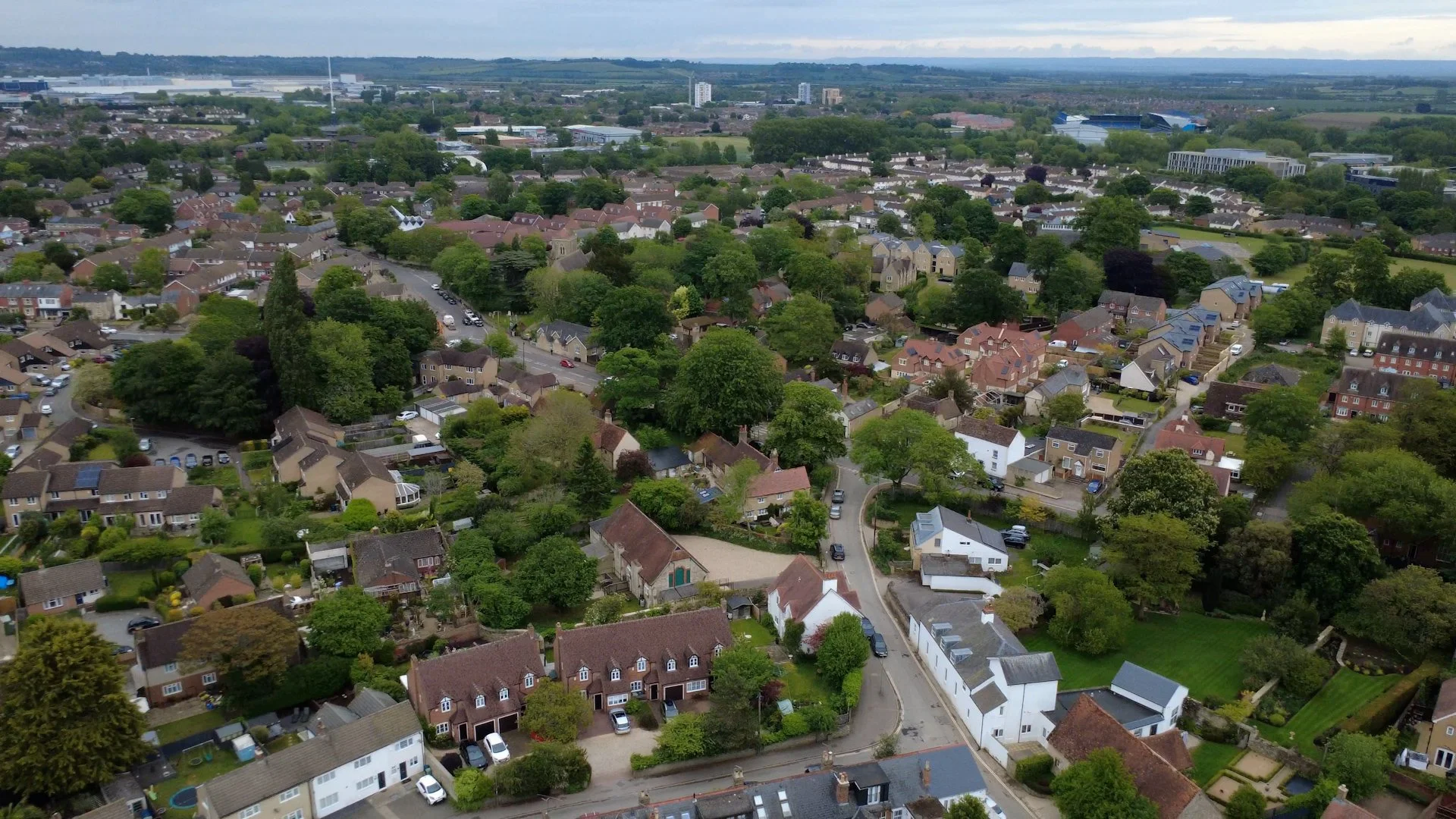
As content creators, we're used to viewing subjects from ground level. Drones introduce an entirely new perspective, allowing you to reveal scale, movement, and context in ways that aren't possible with traditional cameras.
Aerial footage can transform a simple location into something much more visually engaging. It can establish a scene, showcase the size of a project, or create cinematic moments that immediately capture attention.
Learning to fly a drone has encouraged me to think differently about shot planning and content production. Instead of asking, "What can I capture from here?", I'm now considering how different perspectives can improve the overall story we're trying to tell.
It's a small shift in mindset, but one that has had a significant impact on how I approach creative projects.
Training and regulations:
Flying a drone in the UK comes with real responsibilities. Before ever going on a shoot, I completed the necessary training, covering everything from airspace restrictions to pre-flight safety checks. It's far more involved than just launching and pressing record.
The value of learning skills outside your comfort zone:
The biggest takeaway from this experience isn't actually about drones.
It's about the value of learning new skills.
It's easy to become comfortable with the tasks and responsibilities we're already familiar with. However, some of the most valuable growth happens when we step outside our comfort zones and take on something completely new.
Learning to fly a drone challenged me in ways that my day-to-day role as a Content Creator typically doesn't. It required patience, adaptability, and a willingness to make mistakes while learning.
More importantly, it reminded me that professional development doesn't always come from becoming better at the things you already do. Sometimes it comes from exploring entirely new areas and discovering skills you never expected to have.
What began as an opportunity to expand our agency's service offering became a valuable personal development experience. Not only have I gained a practical new skill, but I've also gained a greater appreciation for the benefits of continuous learning.
